
Location : ICRISAT, Patancheru, Telangana, India
Date : 2026-11-23 09:30:00
Organized by International Crops Research Institute for the Semi-Arid Tropics (ICRISAT), International Rice Research Institute (IRRI), & The Alliance of Bioversity International and the International Center for Tropical Agriculture through the Dryland Academy.
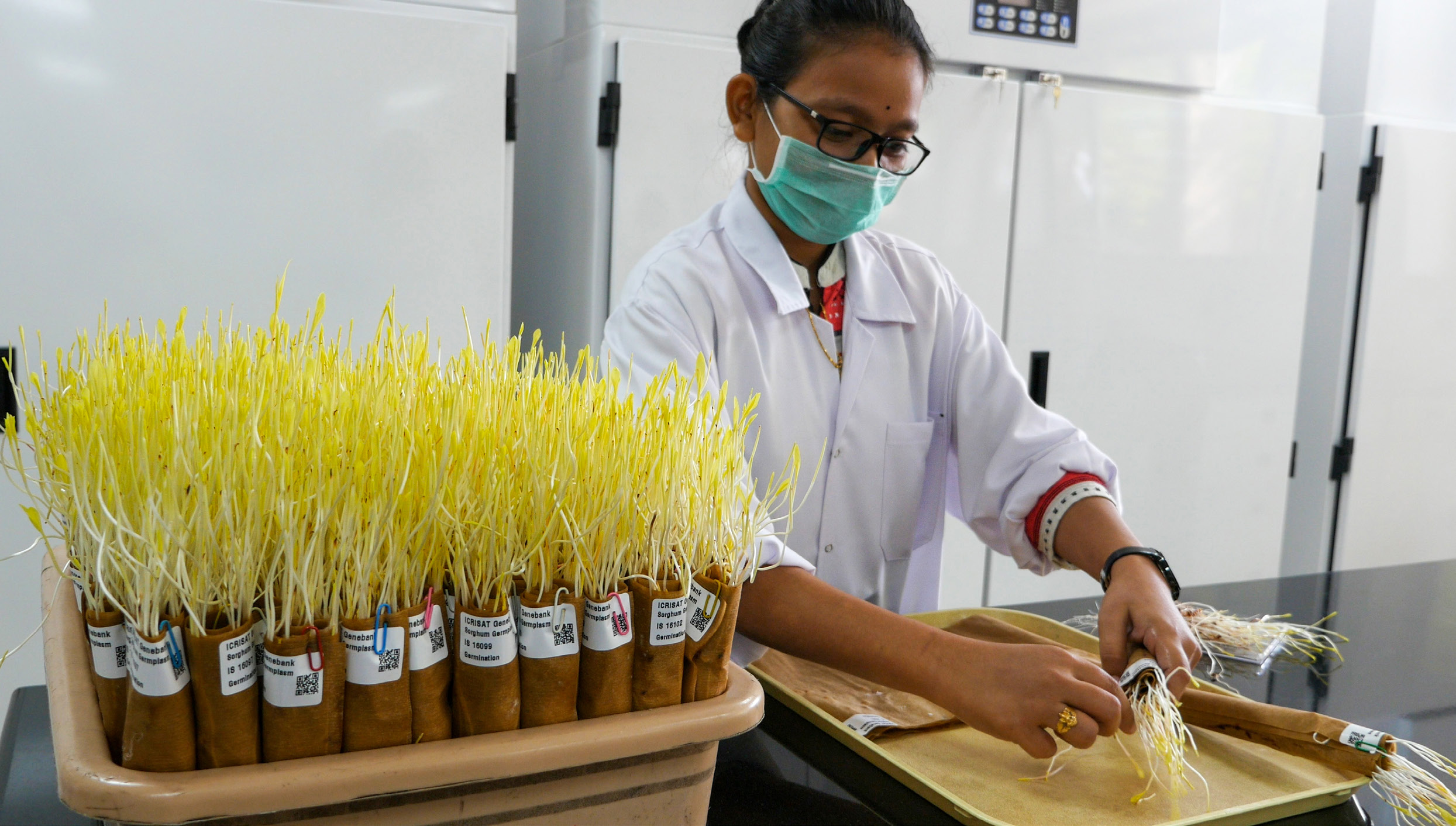
Plant Genetic Resources for Food and Agriculture (PGRFA) are crucial for ensuring global food security and fostering sustainable agricultural practices. PGRFA are the basis for crop improvement and serve as a repository of genetic resources that function as a safeguard against potentially adverse environmental and economic shifts. Collection, conservation, and utilization of PGR in crop improvement are essential for sustainable agricultural production. Genebanks play an important role in the long-term conservation of PGRFA and in making them available globally for the present and future generations. Nonetheless, conservation and sustainable use of PGRFA require specialized expertise, knowledge, and skills that are often lacking in many countries. Further, new technology, such as high-throughput large-scale phenotypic assessment of important traits and the use of genomics tools to detect genes of interest for adaptation to climate change, emerging pests, and diseases, will enhance the utilization of conserved germplasm. Therefore, a comprehensive training program on the conservation and sustainable use of PGRFA is needed to build the capacity of stakeholders.
CGIAR is the world’s largest global agricultural innovation network. We provide evidence to policy makers, innovation to partners, and new tools to harness the economic, environmental and nutritional power of agriculture.
The 11 CGIAR genebanks conserve over 750,000 accessions of cereals, grain legumes, forages, tree species, root and tuber crops, and bananas. This is the largest and most widely distributed collection of genetic diversity available under the Multilateral System of the International Treaty on Plant Genetic Resources for Food and Agriculture (ITPGRFA).
Some accessions are kept as seeds, others in field genebanks and yet others in test-tube, or in-vitro, collections. Over the past 10 years, CGIAR genebanks have distributed more than a million samples to plant breeders and crop researchers.
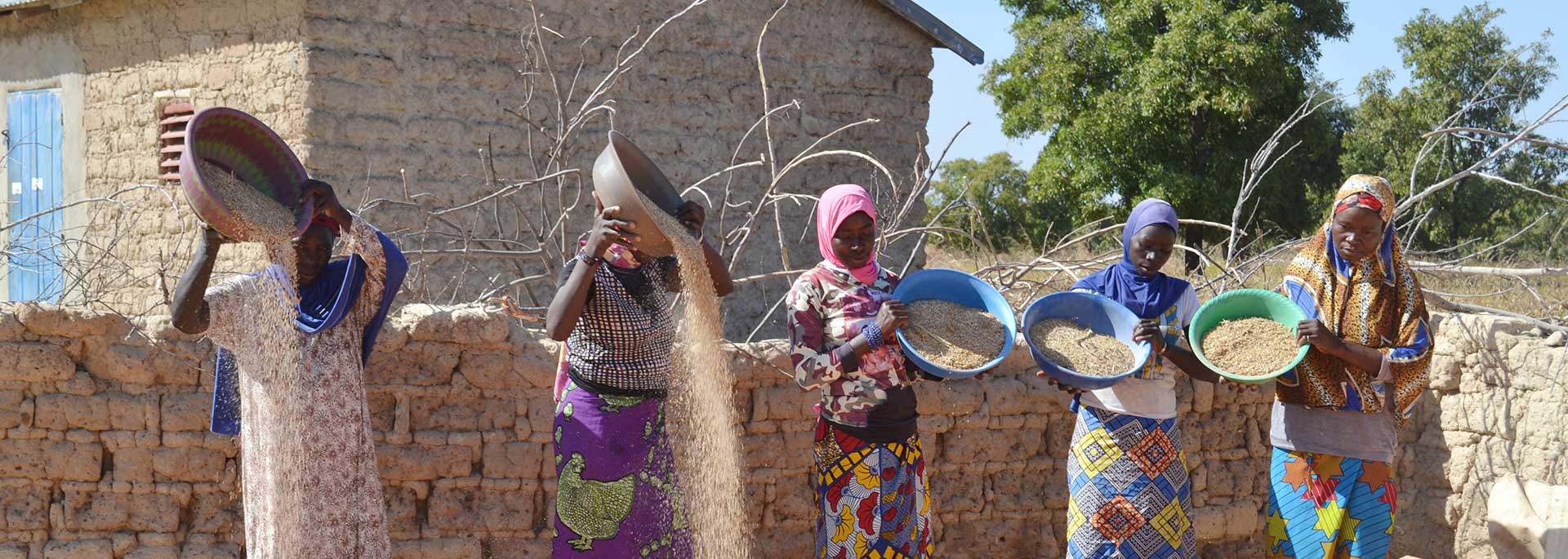
CGIAR genebanks have restored lost and forgotten landraces and farmer varieties to communities from which they were collected. Many are also working directly with farmers in participatory breeding and selection activities to help them adapt their farming systems to the challenges of climate change.
Jointly organized by ICRISAT, IRRI and The Alliance of Bioversity International and CIAT, this training program focuses on advancements in conservation and utilization of PGRFA. Our objective is to empower NARS partners across the Asia-Pacific region by promoting efficient conservation techniques and enhancing the strategic and sustainable use of PGRFA. We welcome applications from researchers and students who are directly associated with PGRFA management and their utilization both the public and private sectors.
This training aims to strengthen the capacity of PGR professionals in:
Applying international standards and best practices for efficient conservation and management of PGRFA.
Utilizing advanced phenotyping, genomics, and bioinformatics tools to characterize and exploit genebank diversity.
Accelerate the utilization of conserved genetic diversity in crop improvement programs by integrating pre-breeding, genomic-assisted selection, and trait discovery approaches.
Understanding national and international policy, legal, and regulatory frameworks governing access, conservation, and utilization of PGRFA.
Limited number of participants will be supported by the organizer for travel, food and accommodation.
Additional stay beyond the training duration will be borne by the participants.
Selected participants will be notified by email.
Limited slots are also available for self-sponsored participation, mainly from the private industry.
| Participation Package | Inclusions | Fee (INR) |
| Residential – Single Occupancy | Lodging and boarding, food, course fee, and field visits | ₹50,000 |
| Residential – Shared/Double Occupancy | Lodging and boarding, food, course fee, and field visits | ₹40,000 |
| Non-Residential | Course fee, breakfast, lunch, refreshments, and field visits | ₹25,000 |
Note: Fees are inclusive of the services specified above. Travel to and from ICRISAT is not included.
Open to NARS in Asia-Pacific region, including:
Research Institutes.
Agricultural Universities.
Private sector institutes/organizations involved in PGR conservation & use.
Link to apply for the PGR training program https://forms.gle/RG7vuAAZCQGiZYMe9
Vetriventhan Mani, ICRISAT
Email: vetriventhan.mani@icrisat.org
Venuprasad R, IRRI
Email: v.ramaiah@cgiar.org
Jai Rana, Alliance Bioversity & CIAT
Email: J.Rana@cgiar.org
Padmaja Ravula, ICRISAT
Email: Padmaja.Ravula@icrisat.org